AI Video for Agencies: What You Deliver, and Who Has to Approve It
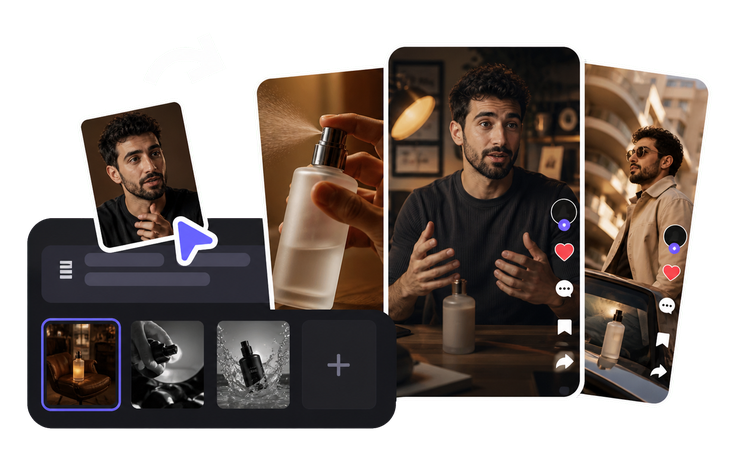
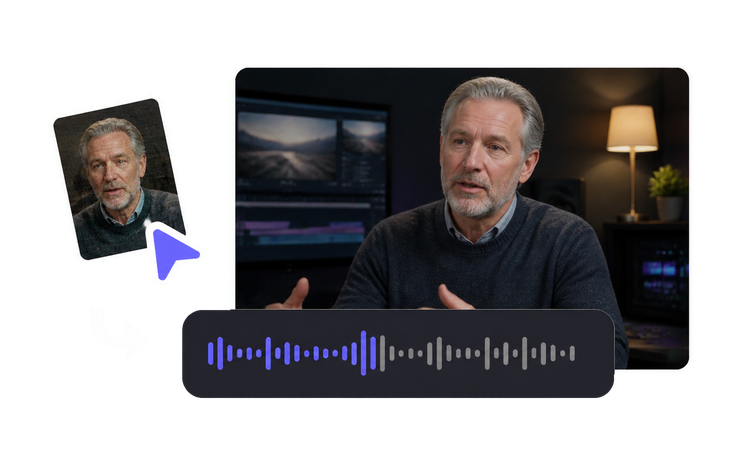
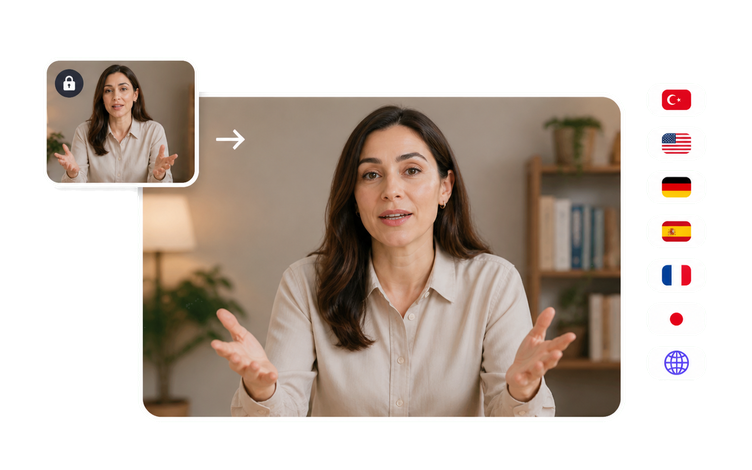
VisionStory is production software your agency runs itself, not a studio you brief. The 4 workflows below are grouped by what ends up on the client’s desk at the end—because that decides everything upstream: a set of ad concepts, a month of social posts, a finished master, or a language edition of something already approved. Agency work differs from an in-house team in one structural way: you’re accountable to several brands at once, each with its own tone rules, its own legal reviewer, and its own approval chain—and nothing ships until someone on the client side signs off. So each page spells out what the client supplies, how much you build from scratch, how many review rounds the file goes through, and where VisionStory stops: it renders and returns a finished file; it doesn’t schedule the post or book the media, and nothing goes live to a channel until the client-side approver for that account has signed it off. The line between the 4 workflows is the deliverable written in the statement of work—and the one that matches yours is the page worth opening first.