None of this replaces the CSM. It changes what the CSM spends the implementation window on. An account that’s already watched the standard configuration walkthrough starts the live call with questions about its own migration—not questions about where the admin settings are. Every item here has the same limit in the same place: a recording captures the steps that are identical for every account, and it never covers the discussion of the one thing this account does differently.
No one can reopen a kickoff call
The admin took notes during kickoff. Half a page, written in a meeting where 11 things were explained in 40 minutes, and by Monday those notes read like somebody else’s shorthand. So the field mapping becomes a guess, or an email goes to the CSM, or the question just waits until the next scheduled session because nobody wants to admit they lost the thread on day one.
What the weeks before go-live are missing isn’t a CSM who says it one fewer time. It’s a reference the customer can open the moment they’re actually doing the step—three weeks after the call where it was described. Built from the implementation deck and setup guide your team already maintains, that walkthrough becomes something the admin re-watches at the point of use, and when a question does come back, the CSM and the customer are looking at the same version of the answer.
Go-live depends on work only the customer can do
Every implementation has an order you can’t rearrange. The data export needs someone with access to the old system, the permissions map needs whoever owns the org chart, and the integration needs a key that lives in another team’s console. A CSM can explain all three and do none of them, so a go-live date is, in practice, a bet on when the customer’s side finishes its part.
Recorded modules don’t make that work go faster. What they remove is the appointment sitting in front of it, because the admin no longer has to hold the field-mapping question until a shared hour appears on two calendars: the walkthrough for that step is already in their inbox, and the dependency can start the evening they get the file. Each module is assembled from documents your team has already approved, and the CSM still confirms the sequence matches what this account has to finish before its go-live date.
One kickoff call, three audiences, none of them served
The kickoff call has the admin who wants permissions and single sign-on, the two people who will use the thing every day and want to know where their queue lives, and the VP who joined for 11 minutes to hear when the dashboard will have numbers in it. Forty-five minutes later, the admin has half of what they needed, the daily users have sat through an integration discussion that wasn’t for them, and the VP has already left.
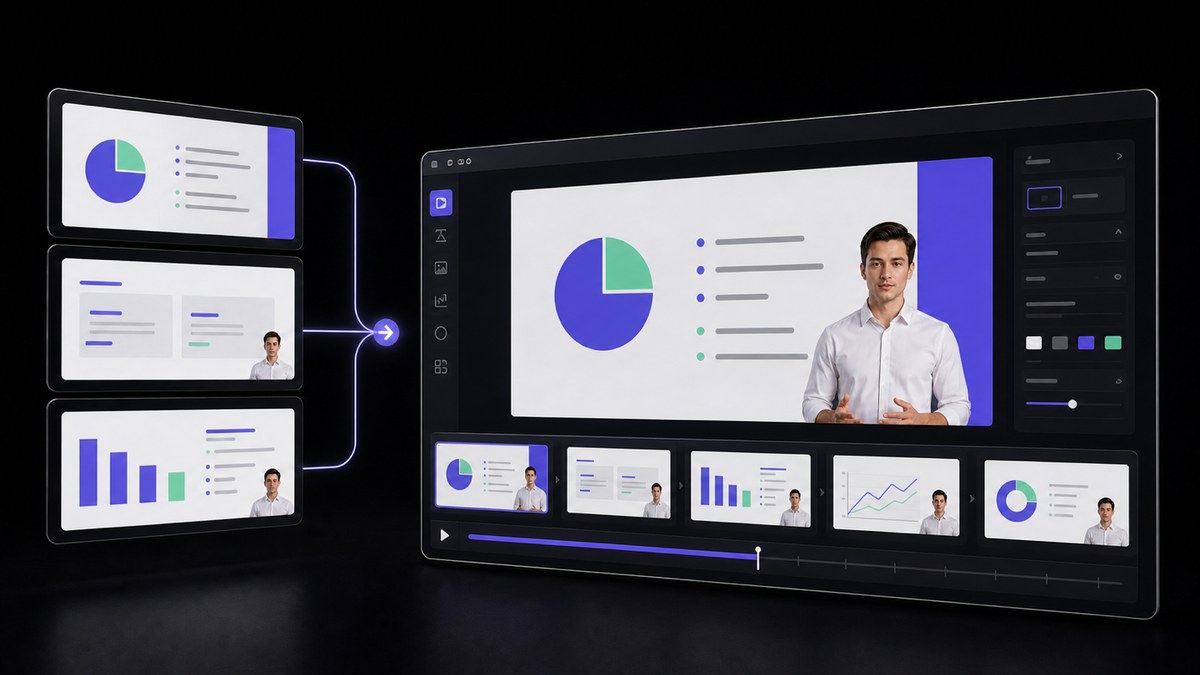
Cutting the same material three ways costs a fraction of what filming three versions would. One implementation deck yields an admin module on setup and permissions, a shorter one for daily users on the three things they’ll do most, and a 5-minute version for the sponsor on what the account looks like when it’s working. The CSM sends each role the one that applies. What stays live is the conversation about this customer’s workflow—something no recording was ever going to cover.
Serve accounts that are never awake when you are
Your implementation team sits in Berlin, and this quarter’s three largest new accounts are in Sydney, Singapore, and Sao Paulo. The workable overlap with Sydney is about 90 minutes at the wrong end of someone’s day. So the Sydney admin’s question about field mapping goes into an email on Tuesday night and gets an answer on Wednesday afternoon, and a setup task that would’ve taken 4 minutes on a call takes 2 days instead.
A recorded walkthrough is awake when they are. The admin opens the configuration module at 9 in the morning their time, completes the step, and brings only the part that didn’t work to the next live session. If an account also operates in another language, the released module can be reissued as dubbed editions across 88 languages, so nobody is reading a second language while learning a new system. Their CSM confirms the edition matches what that account bought before it goes out.
Let the customer hear one familiar voice all the way through
A customer meets their CSM on the kickoff call, then works through 11 onboarding modules narrated by 5 different voices—none of them the person whose name is on every email they’ve received. The stock voices aren’t the problem. The problem is that implementation stops sounding like a relationship and starts sounding like a help center, right when this customer is deciding whether anyone at your company is looking out for them.
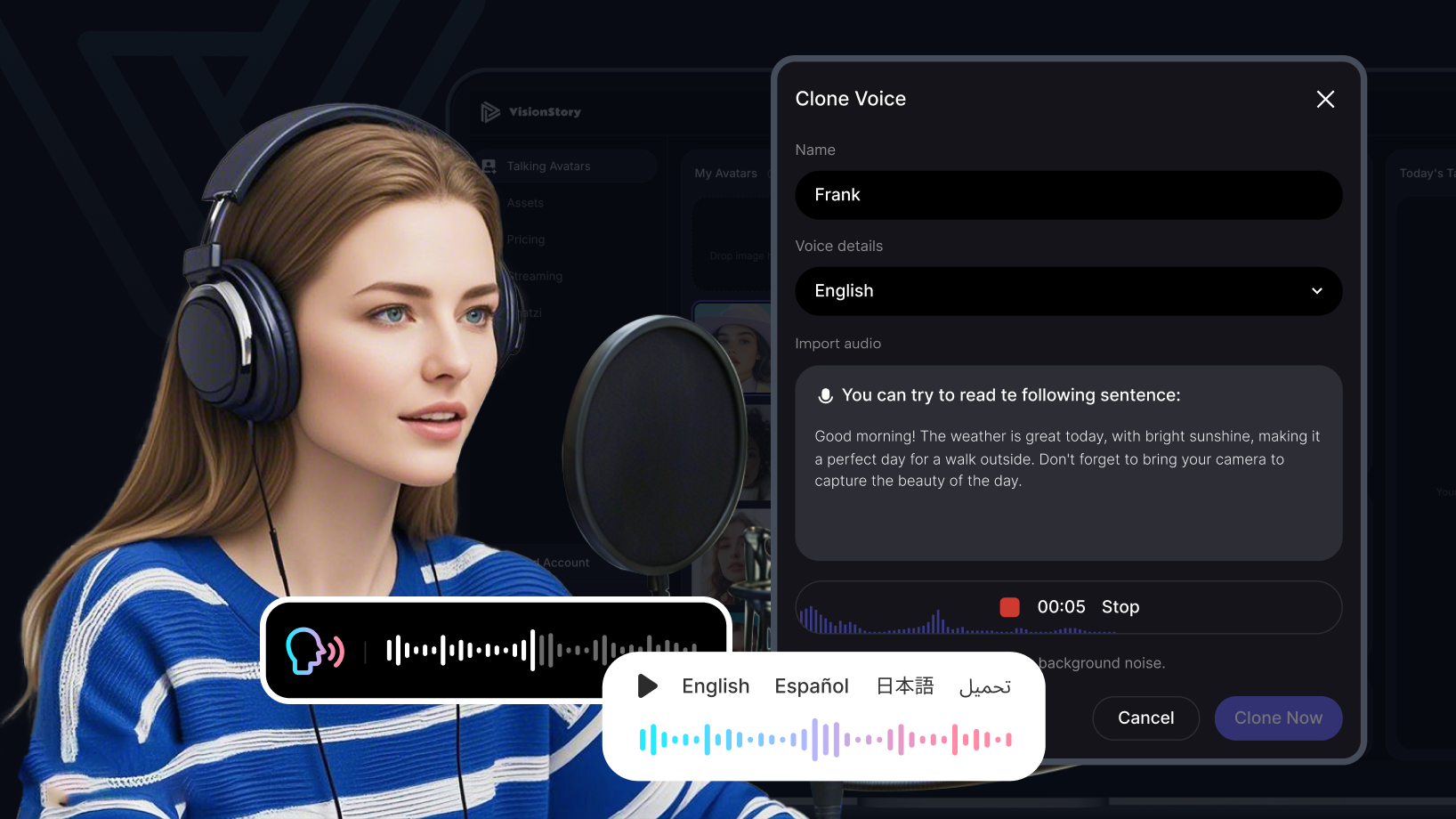
One authorized recording from the CSM who owns the account creates a reusable voice, and every module in that customer’s sequence is narrated with it—including the ones written weeks after go-live. The recording has to be that person’s own and provided with their consent, because it’s their voice, not a company asset. Nothing here replaces the CSM. It carries their explanation into the hours they aren’t working, and they still review the script before it’s spoken in their name.



Users Love VisionStory
Discover why content creators and marketers trust VisionStory for their AI video needs. From powerful features to an effortless user experience, our community can’t stop raving about the results they achieve with VisionStory.