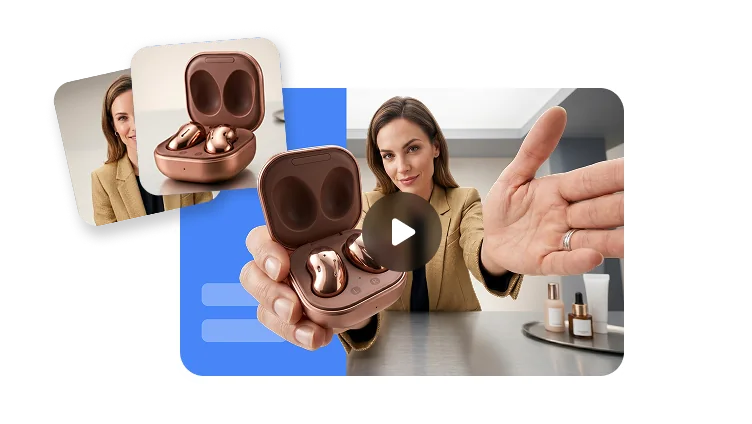
Make your photo dance. Add a person or character, choose a movement reference or upload your own dance clip, and bring the performance to life.
Reference video
From the library
10s
Reference 1Choose the movement for your dance video
Reference library6
MP4, MOV or WebM · 4–15 seconds · up to 100 MB
Your dancer
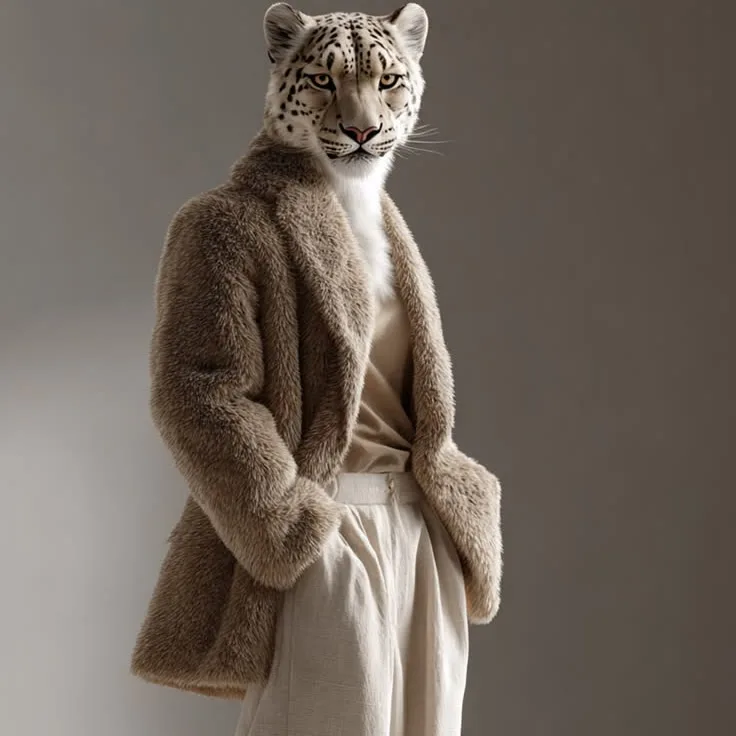
Who’s dancing?
A clear photo of the person or character you want to animate.
or drop a photo here
JPG, PNG or WebP · up to 30 MB
+Add your dancer to continue
Review credits and generate your dance video in VisionStory. Opens in a new tab.
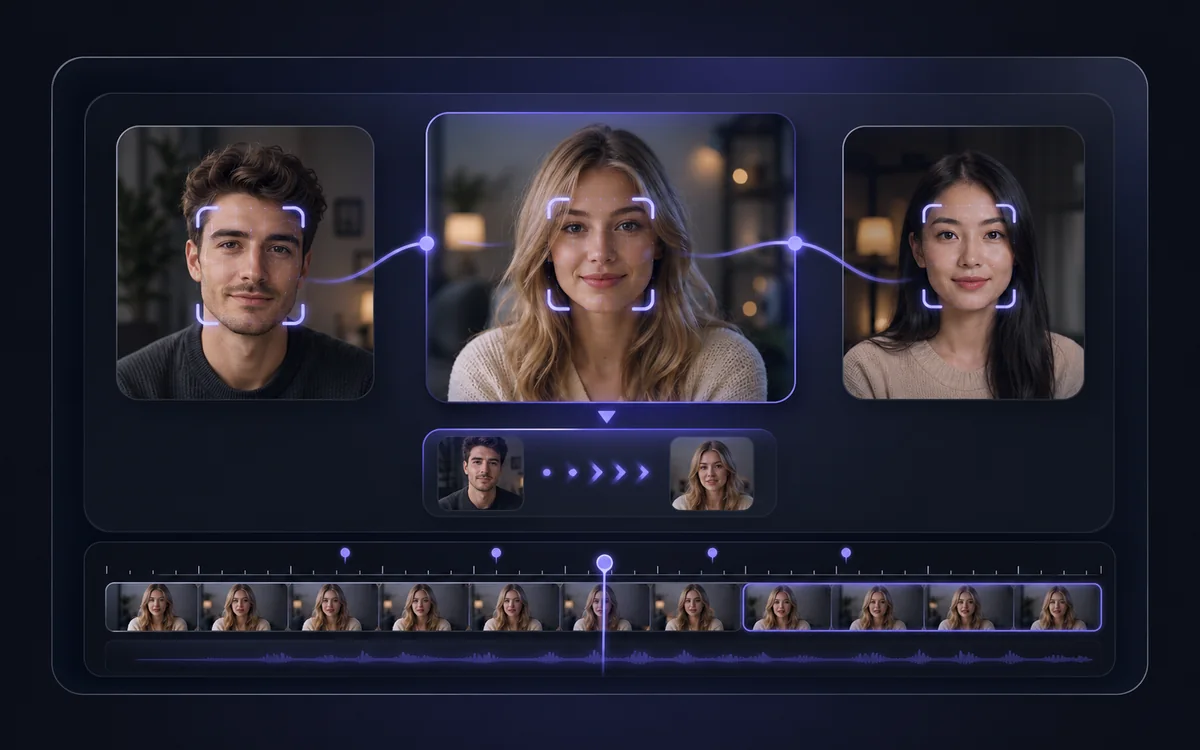
Your character. The moves you choose.
An AI dance video starts with an image and a movement reference. These synchronized examples show how the two generation modes use that pair.
Motion Transfer
Give your photo the reference moves
Use Motion Transfer to animate your character with the movement from a dance clip.
Motion reference+Subject image→Official result
Objects Swap
Put your character into the performance
Use Objects Swap when you want to replace the performer in a reference video.
Motion reference+Subject image→Official result
These official motion examples demonstrate the two modes. For a dance video, choose a reference with the choreography you want. Results vary with the inputs.
Tips for a better AI dance video
Help the model see the dancer, follow the choreography and match the framing.
Show the dancer clearly
Choose a sharp image of one person or character. Keep the face visible and leave room around the body for the movement.
Keep the choreography visible
Use a steady 4–15 second dance clip with one main performer. Avoid rapid cuts, crowds and anything that hides the arms or legs.
Match the shot to the dance
Use a full-body image for footwork or a full-body routine. Similar camera angles help the image and reference work together.
How to make a photo dance
Prepare your dancer and choreography here, then generate your AI dance video in VisionStory.
01
Pick the dance moves
Upload a 4–15 second dance clip or preview the reference library. Choose a continuous shot where the movement is easy to see.
02
Add your dancer
Upload a JPG, PNG or WebP image. Use Motion Transfer to animate the photo, or Objects Swap to change the performer in the reference scene.
03
Generate your dance video
Continue with your image, clip and selected mode in VisionStory. Sign in, review the credit cost and subscription requirements, then generate, preview and download.
Frequently asked questions
An AI dance generator combines a character image with movement from a reference video. The image guides the dancer’s appearance, and the clip guides the performance. VisionStory lets you prepare both inputs here, then generate the video in its Motion Video workspace. You can use a personal photo or a character image.
Upload a clear photo and choose a reference containing the dance you want to follow. Select Motion Transfer to animate the pictured character. Continue to VisionStory with both inputs, check the credit estimate and confirm generation. Preview the finished dance before downloading it, especially the face, hands and footwork.
Choose Motion Transfer when you want the character in your photo to follow the reference moves. Choose Objects Swap when you like an existing performance and want to replace its subject. Both modes accept an image and a video reference. Switching modes here preserves your chosen files so you can use the same pair.
Yes. Upload an MP4, MOV or WebM clip between 4 and 15 seconds, up to 100 MB. Both frame dimensions must be 300–6000 pixels, with an aspect ratio between 2:5 and 5:2. Use a short excerpt if your original dance recording is longer. A steady shot with one clearly visible dancer is a useful starting point.
The library includes different kinds of movement references, including gestures and character performances. Preview a clip before selecting it. To create a specific dance routine, upload a video that shows that choreography. All reference templates can be selected in either generation mode.
Use a sharp image with a visible face and an unobstructed body. Match the reference framing where possible: a full-body image is more useful for footwork than a close portrait. This page accepts JPG, PNG and WebP up to 30 MB, with dimensions of 300–6000 pixels and an aspect ratio between 2:5 and 5:2. Avoid crowds, heavy blur and hidden limbs.
The reference guides the movement, but it does not guarantee a frame-perfect copy of the choreography. Fast spins, overlapping limbs, camera changes and differences in body proportions can affect the result. Start with a short, clear routine and review the generated performance. The synchronized examples let you compare reference and result at the same point in time.
You can browse the references and prepare your photo and dance clip on this page. Generation in VisionStory requires an eligible subscription and credits. The workspace shows the current estimate for your mode and video duration before you confirm. Review that estimate for your selected clip; no fixed free generation allowance is promised here.
Yes. The selected image, reference clip and generation mode are sent to the VisionStory workspace. If you need to sign in, the inputs are stored temporarily for restoration afterward. Check that both previews are correct before confirming generation. Your files remain selected on this page if the transfer fails.
After generation finishes in VisionStory, use the result controls to preview and download the video. Check the face, hands and beginning and end of the performance before sharing. Use images and dance footage you have permission to use. Preparing the inputs on this page does not start generation automatically.