AI Video for Customer Success Teams: What Each Workflow Is For
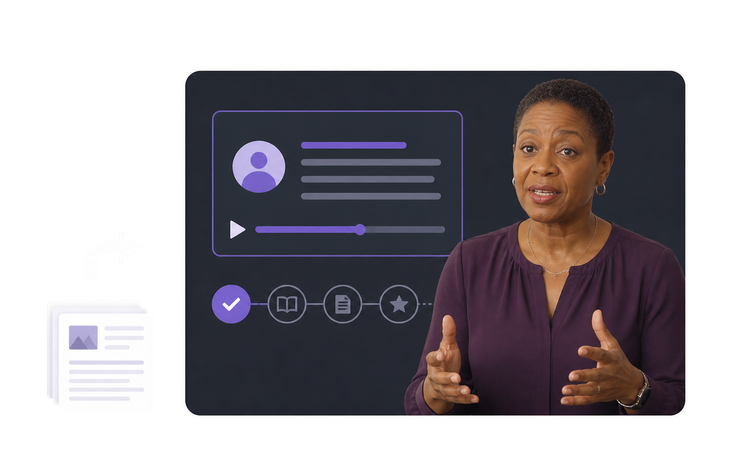
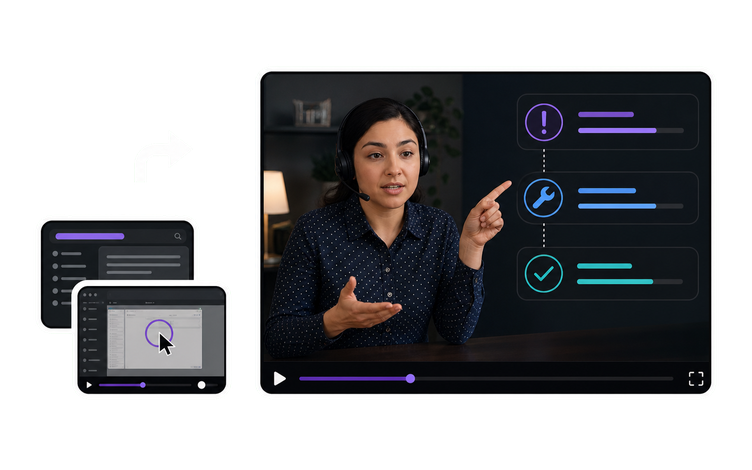
Customer success teams reach for video for three different reasons, and those reasons rarely share a reviewer or an update cycle. Customer onboarding videos cover the stretch between a signed contract and an account that can work on its own, where an implementation lead is repeating the same walkthrough for every new customer. Customer education videos serve customers who are already live and still using half of what they pay for. Customer support videos are the self-serve layer, short answers attached to the questions your team keeps closing by hand. Each one starts from something your side has already written and approved, and each approved master can be reissued in 88 languages. The division of labor stays exactly as it is today: health scores and renewal risk are read and acted on inside your customer success platform, ticket queues are worked by the support team that owns the queue, help center hosting and versioning belong to whoever maintains your documentation, and the video itself is the part that gets made here. Pick the card that matches where the customer is standing.