First and Last Frame Video Generator

Upload a start frame and end frame, describe the action and camera movement between them, choose your video settings, and continue generation in VisionStory.
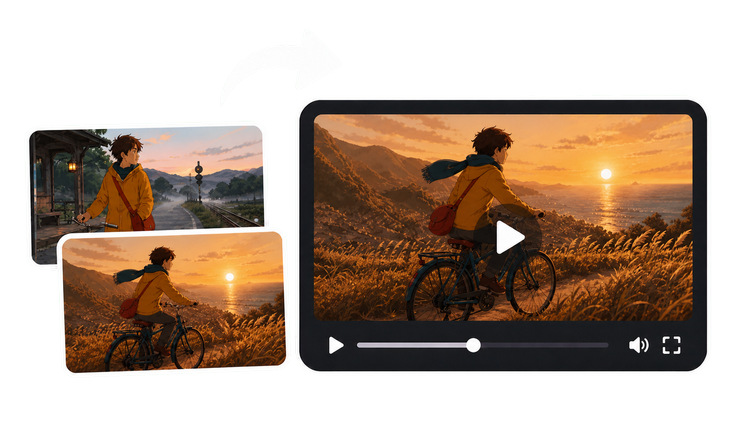
Storyboard showing a visual transition from a starting frame to an ending frame
Define the visual journey

Use a start and end frame to define where the shot begins, how it moves, and where it finishes.

Start frame Add
End frame Add
PNGJPG or WebP
Livemodel options
Directgenerator handoff

Start, end, and motion

See two frames become one continuous video

Compare the opening frame, closing frame, and generated motion side by side. The sequence makes it clear what stays stable and what changes as one action connects the shot.

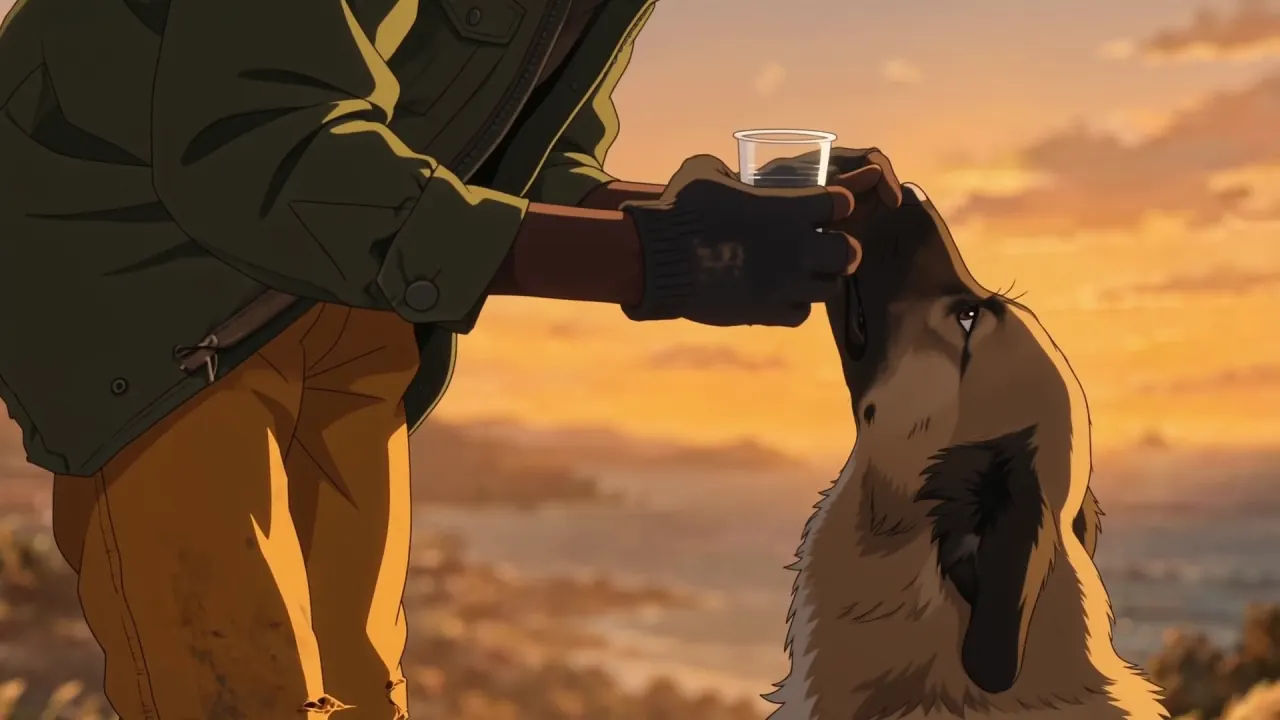
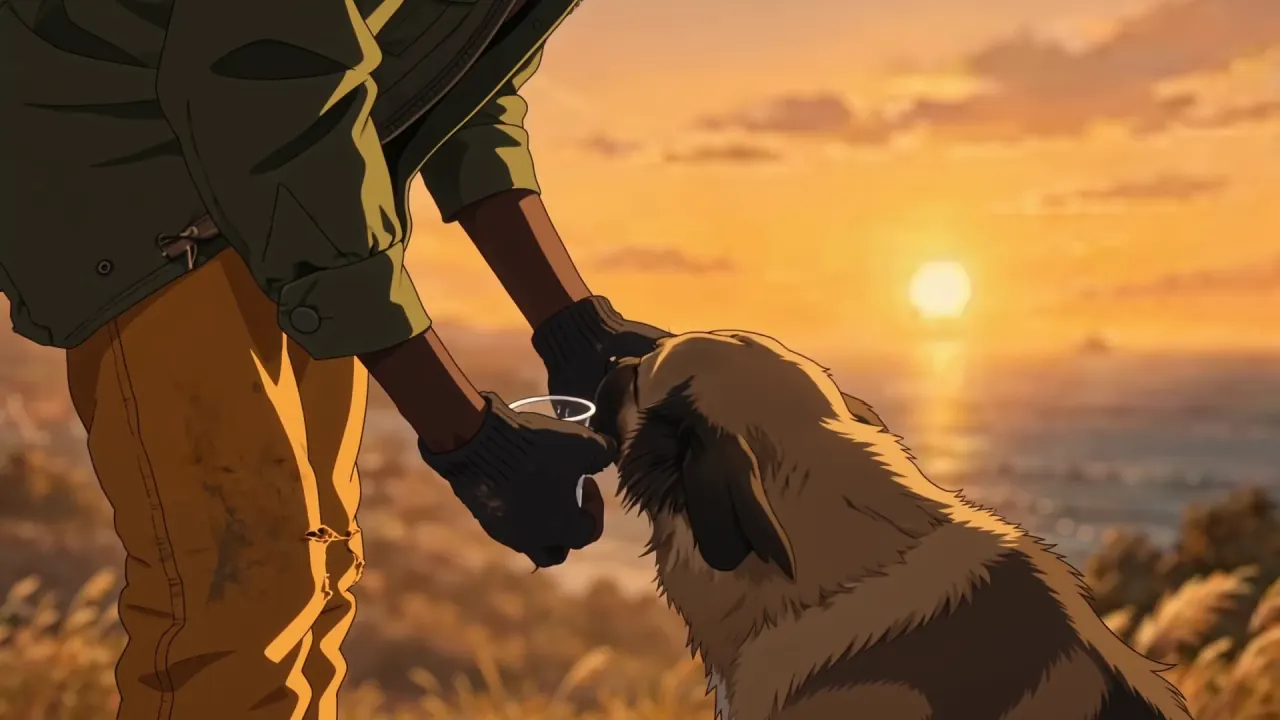
Warm anime-style start frame showing a traveler offering water to a dog at sunset
Start frame

Establish the opening

The traveler's lowered hands, waiting dog, coastal sunset, and close framing establish the opening beat.

Warm anime-style end frame showing the same dog drinking from a cup held by the traveler
End frame

Lock the destination

The raised cup defines the closing action while the traveler, dog, sunset palette, and camera angle remain recognizable.

Generated video

Connect the movement

The preview connects the lowered cup to the drinking pose as one readable action without changing the scene or subject identity.

Creative cue: keep identity, lighting, and framing stable; describe only the movement that must happen between the two anchors.

Frame pairing guide

Choose two frames the model can plausibly connect

A strong start-and-end-frame pair shares enough visual DNA to feel like one shot. Check the subject, camera logic, environment, and size of the change before generation so the model can spend its effort on motion instead of rebuilding the scene.

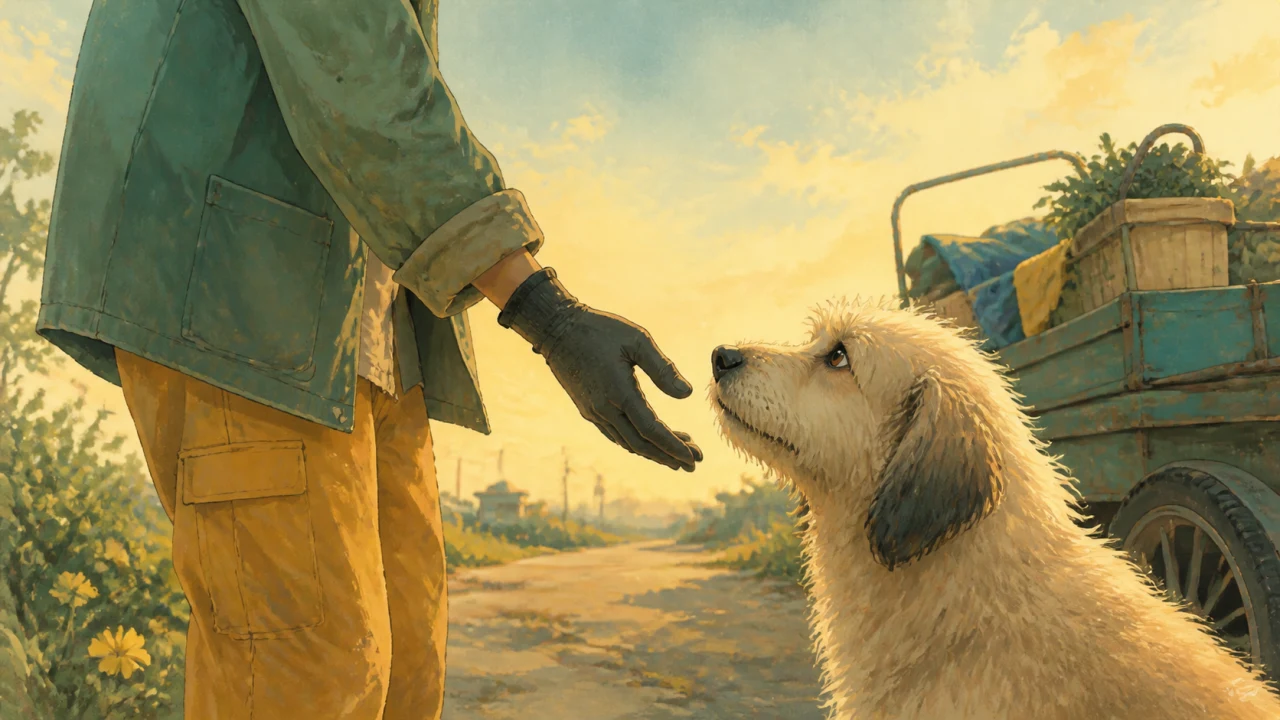
Illustrated opening frame with a traveler and dog in a market settingOpening anchor
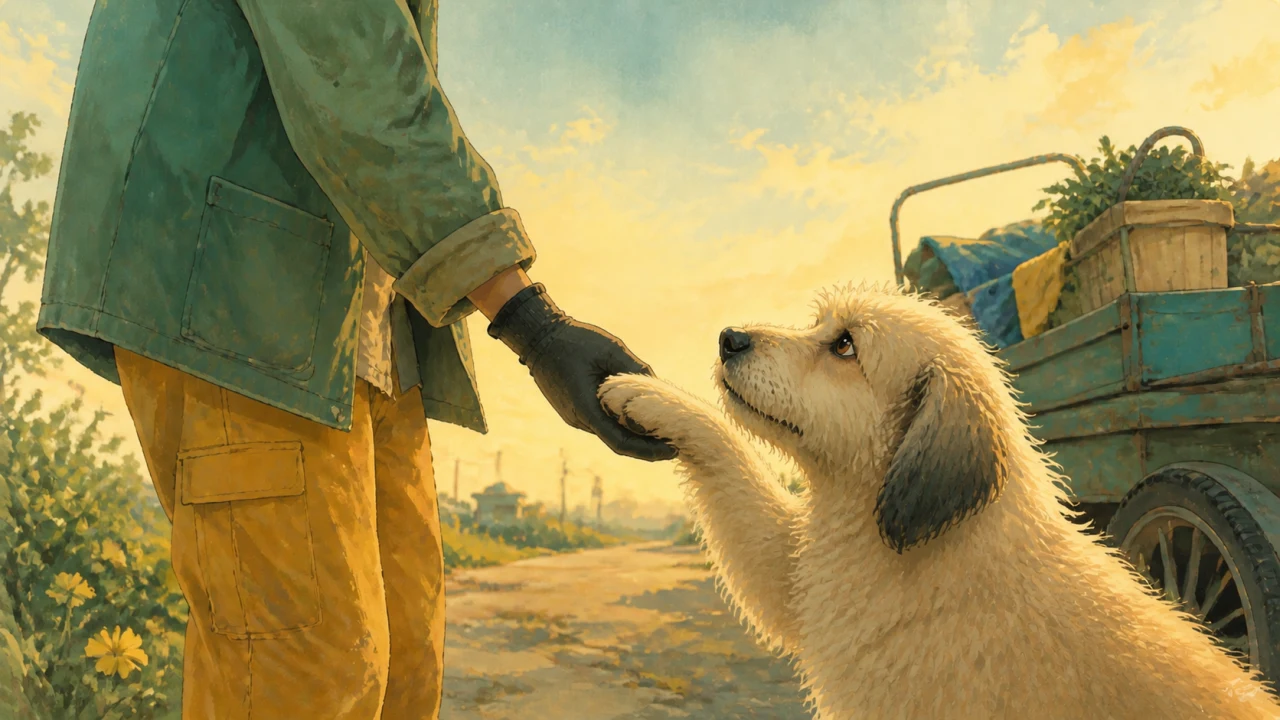
Illustrated closing frame where the same dog reaches the traveler's handClosing anchor
This pair changes one readable action—the dog raises a paw—while the people, setting, palette, and camera position stay recognizable. That gives the transition a short, coherent path.

Where first-and-last-frame guidance helps

First and last frame video generation works best when the opening and closing compositions matter more than a completely open-ended prompt.

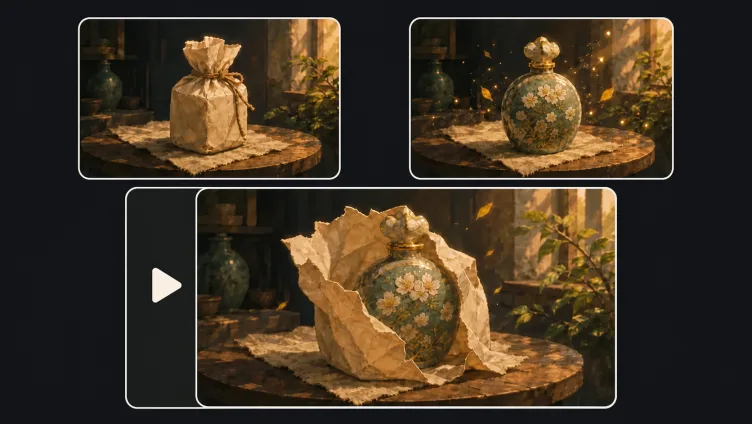
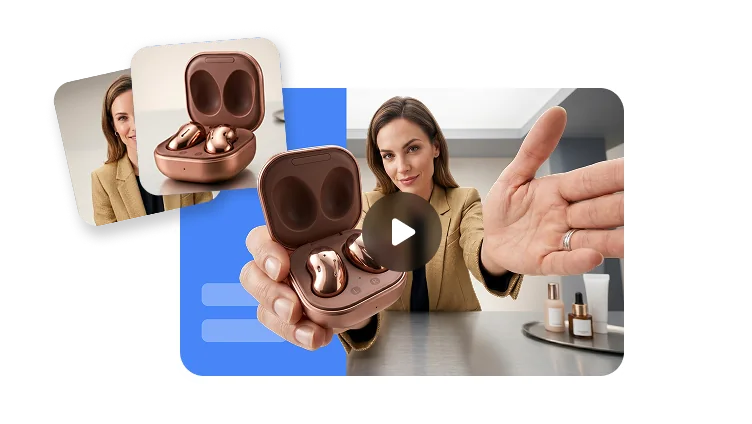
Hand-painted product reveal showing a wrapped perfume bottle becoming a finished hero shot

Product reveals

Plan the payoff before motion begins. A first frame can establish sealed packaging or a wider setup, while the last frame locks the hero angle, label visibility, and final arrangement.

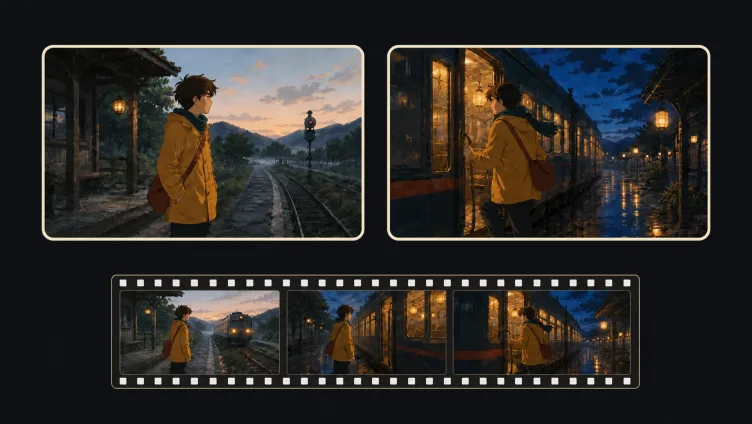
Hand-painted storyboard transition from a rural platform to boarding a lantern-lit train

Storyboard transitions

Turn two approved storyboard beats into a connected shot without giving up the intended composition. Matching screen direction and subject identity helps the generated in-between motion stay readable.

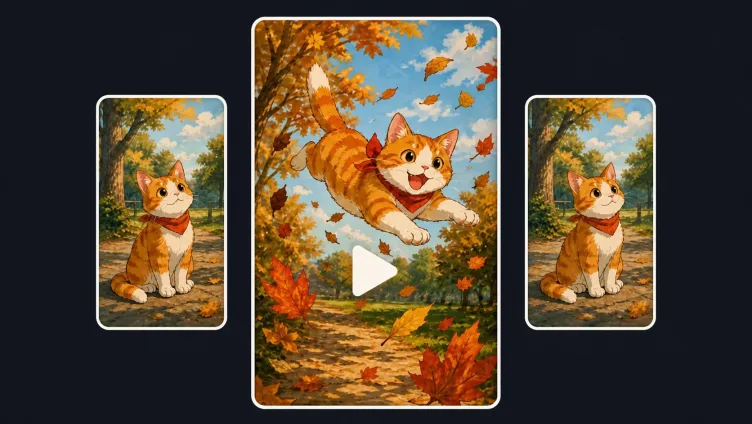
Hand-painted looping social video with a cat leaping and returning to a matching pose

Social hooks and loops

Design the ending to reconnect with the opening for a repeatable short-form loop. Similar subject scale, camera position, and background rhythm make the restart less noticeable.

Frequently asked questions

  • It is an image-to-video workflow that can use an opening image and a finishing image as visual anchors. A prompt describes the action, camera movement, and transition between them. The model creates the in-between motion instead of requiring you to animate every frame manually.