A localization order is priced like manufacturing and scheduled like a booking agency. The quote is arithmetic, minutes times languages, while the delivery date depends on booths, talent calendars and an approval round that belongs to somebody at the client. That gap between what you can quote and what you can promise is where a localization business either scales or stalls, and it tends to open in five predictable places.
Take the languages the booth calendar was blocking
A brand asks for a twelve-minute product film in nine languages, due in three weeks. The rate card is per minute per language, so the quote writes itself. The schedule does not. There are two booths, four of the nine voices are freelancers with their own calendars, and one language has a single usable talent in the city. You either quote a date the client will not accept, or hand three languages to a partner and give away the margin on them.
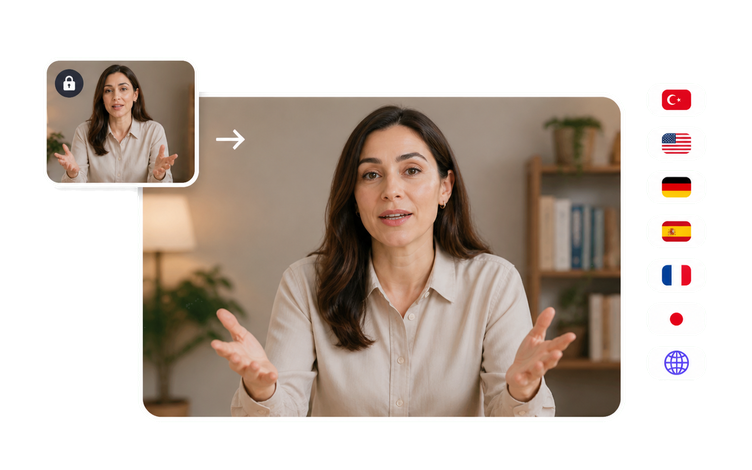
Generating those editions from the locked cut takes them off the booth calendar. The source stays one file and each language becomes a render rather than a session, so a nine-language order no longer depends on nine bookings landing in the same fortnight. Studio time then goes where it earns most, to the hero language, the on-camera talent the client insisted on and the pickups after review, instead of the long tail nobody wanted to schedule in the first place.
Fix a term once instead of in every language
The first pass renders the product name as an ordinary translated noun in five of the eight languages, converts none of the measurements, and picks the everyday word for a term the client's legal team had already settled in writing. Nothing there is wrong in a dictionary sense, and all of it comes back marked in review, which is the expensive way to find out that the glossary never reached the people doing the work.
Settling the glossary before anything is dubbed is what keeps that round short. Product names, model numbers, legally reviewed phrasing and the units the target market actually uses go into the script, and each edition inherits them. VisionStory does not hold your termbase and does not enforce it for you: someone on your side applies it, and the client's reviewer confirms the result. What changes is that a corrected term costs one re-render rather than eight recording sessions.
Name the in-country reviewer before the first language renders
Every edition eventually rests on one person: the distributor's marketing lead in Munich, the compliance contact in Tokyo, the country manager in Sao Paulo. That person is the only one who can rule that a claim cannot be phrased that way in German, that the honorifics are wrong for the audience, or that a comparison is not allowed to run in that market at all. On most orders nobody is named until the first edition is already built and sitting in a shared folder waiting for an opinion.
Ask for the name and the working hours at kickoff, and a language stops being a place where the job disappears. Give that reviewer an edition with the dubbing, the captions and the on-screen text already in place, and the notes come back specific rather than a vague sense that something is off. Each note is then a re-render of one language from the same locked source instead of a booth to re-book. Approval still belongs to the client's in-country reviewer, and nothing ships in a market before that person signs it.
Audio that fits and a mouth that does not
The client watches the first language they can personally judge, usually the one their chief executive speaks, and within ten seconds says something looks wrong. The wording is accurate, the read is well performed, the timing sits inside the shot, and the presenter's mouth is still forming the English sentence. It is the one defect a non-linguist spots instantly, and it quietly undermines their confidence in the seven languages they have no way to check.
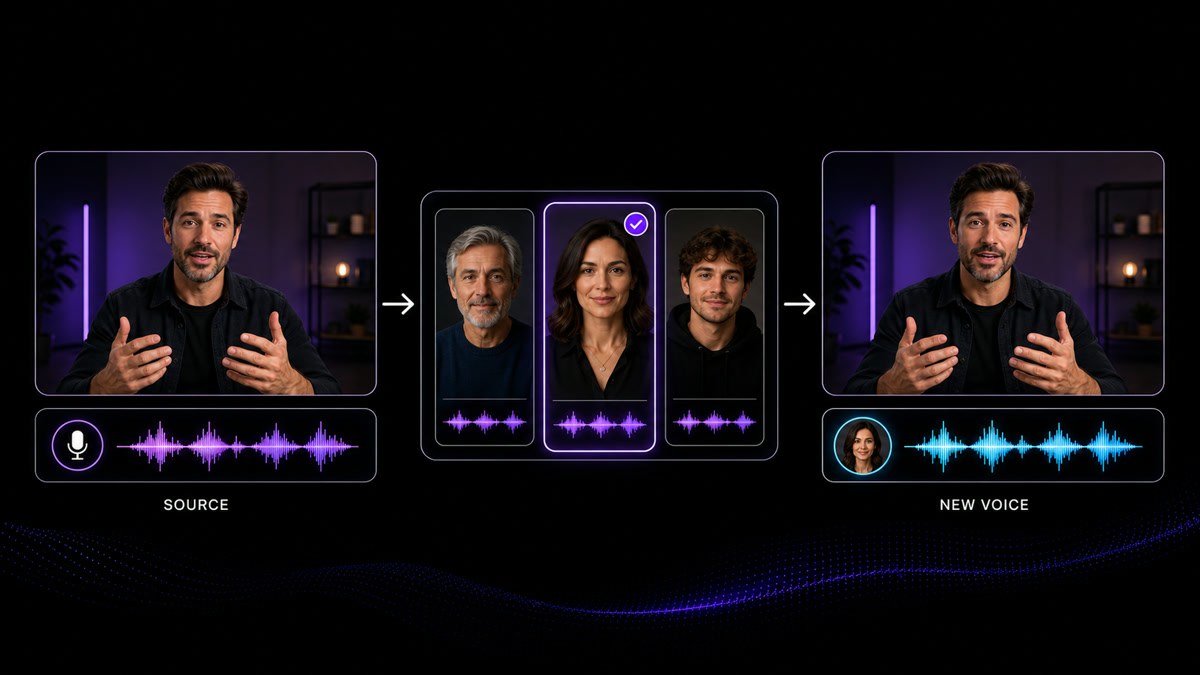
Lip-synced dubbing removes that tell. From the locked source cut, each language is generated with the speaker's mouth matched to the new audio, so a viewer who does not know the source language has no reason to notice there ever was one. Timing stays tied to the picture, which matters when a legal super or a claim lands on a fixed frame. Where the client supplied a face they do not hold reuse rights to, that clearance is theirs to produce before you build anything.
Text on screen breaks in ways the audio never does
Dubbing is the part everyone plans for. What actually comes back marked is the writing on screen. German runs longer than the English it came from and pushes a caption out of the safe area or over a two-line lower third. A legal super sits on a fixed frame and the translated wording no longer fits the seconds it is allowed to occupy. Arabic and Hebrew need the layout mirrored, not merely the words swapped. None of it surfaces until the audio is finished and somebody finally watches the file end to end.
So treat captions, lower thirds and burned-in text as part of the build rather than a pass at the end. Check the frames that carry information first, in the language that expands most, and decide the right-to-left layout before anything renders instead of after. Because every edition comes from the same locked cut, the picture timing holds, so a claim or a legal super still lands on the frame the client approved, and a caption correction is a re-render of one language rather than a rebuild of the batch.




Users Love VisionStory
Discover why content creators and marketers trust VisionStory for their AI video needs. From powerful features to an effortless user experience, our community can’t stop raving about the results they achieve with VisionStory.